SHOULDER ARTHROSCOPY — GUIDE TO RECOVERY
Rotator Cuff Repair • Stabilisation • Capsular Release • Biceps Tenodesis • Decompression
This leaflet offers general guidance to help your recovery after shoulder arthroscopy (keyhole surgery).
Following these steps closely protects your repair and supports a smooth recovery.
At the heart of my practice is Shared Decision-Making. Whether we pursue conservative management (Plan A) or surgical intervention (Plan B), the goal is to create a tailored treatment plan that aligns with your lifestyle, values, and functional goals.
This leaflet provides general information and does not replace individual medical advice.
Nerve Block Effects
The anaesthetist may have given you a nerve block (an injection in your neck) to numb your shoulder and arm and help control pain. It is normal to feel some numbness and tingling in the arm and fingers for up to about 24–36 hours after surgery.
- What to Expect: A nerve block may cause numbness or a “dead arm” sensation lasting 24–36 hours.
- When to Seek Help: Contact your surgeon if you notice persistent numbness, excessive coldness, or significant swelling beyond this timeframe.
Pain, Swelling & Wound Care
- Pain: Use prescribed pain medication, tapering off as pain eases. Opioids can cause constipation — use a stool softener if needed. Paracetamol and ibuprofen may be used as pain subsides.
- Swelling: Apply ice packs over the shoulder (20 minutes every 2 hours) for the first 48–72 hours, with a cloth between the ice and your skin.
- Normal symptoms: Mild bruising or swelling down the arm is common.
- Dressings: Some blood-stained leakage is normal, but saturated dressings should be replaced. Keep the dressing clean and dry, and do not disturb sutures, staples or steri-strips.
- Seek advice: Contact your surgeon immediately if you notice pus, a foul odour, or increasing redness and pain around the incision.
Sling Use & Activity
- Immobilisation: Supported in a sling for 4–6 weeks. Follow your surgeon’s advice on removing it for gentle exercises.
- Permitted movement: Remove the sling briefly for gentle hand, wrist and elbow exercises only.
- Early recovery: You may begin passive range-of-motion exercises guided by a physiotherapist within the first week. Avoid active shoulder movement or weight-bearing until cleared by your surgeon.
- Progression: Passive motion → active-assisted motion → strengthening (timeline varies by procedure).
- Restrictions: Avoid overhead activities or heavy lifting for 3–6 months, depending on the surgery.
Bathing, Sleeping & Daily Life
- Timing: You may shower 3–4 days after surgery, keeping the dressing in place and changing it afterwards. Avoid baths or swimming until the incision is fully healed and cleared by your surgeon.
- Sling: Remove the sling for showering, keeping the arm supported and close to your body.
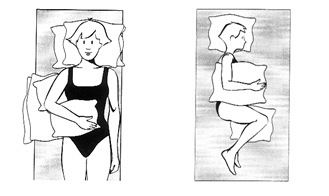
- Reclined position: Use a recliner or prop yourself up with pillows to elevate the shoulder.
- Transition: Gradually move to sleeping flatter as tolerated, using extra pillows.
- Avoid rolling: Use pillows to prevent rolling onto the operated shoulder.
Driving & Returning to Work
- Do not drive while using strong pain medication or wearing a sling.
- Make sure you can perform an emergency stop.
- Confirm with your surgeon and insurer before resuming driving.
- Office work: Light duties possible within about a week if manageable.
- Manual labour: Heavy lifting or overhead work may need 3–6 months of recovery.
Follow-Up & Long-Term Recovery
- Follow-up appointments: Regular visits ensure proper healing and monitor progress.
- Recovery time: Simple debridement 8–12 weeks; rotator cuff or labral repair 4–6 months or longer.
- Long-term goals: Improved pain relief and shoulder function are expected, continuing to improve up to a year post-op.
⚠ Contact the Hospital or Your Local Emergency Department Immediately If You Notice Any of These:
- Excessive bleeding
- Excessive non-bloody wound drainage beyond the first 3–4 days
- Poor pain control, numbness or tingling of the hand not related to bruising
- Fever >38.6°C after postoperative day #3
- Increased redness along the incision
- Calf pain or swelling
Book or Enquire Directly at Each Site
| LIPS Healthcare London | 0203 870 9996 | singh.admin@lips.org.uk |
| Spire Alexandra Chatham | 01634 662866 | alexandraselfpaypsc@spirehealthcare.com |
| Practice Plus Gillingham | 01634 969045 | Private.gillingham@practiceplusgroup.com |