TENNIS ELBOW
This leaflet provides general information to help you understand Tennis Elbow and the available treatment options.
Most people who have tennis elbow do not need surgery.
At the heart of my practice is Shared Decision-Making. Whether we pursue conservative management (Plan A) or surgical intervention (Plan B), the goal is to create a tailored treatment plan that aligns with your lifestyle, values, and functional goals.
This leaflet provides general information and does not replace individual medical advice.
Anatomy of the Elbow
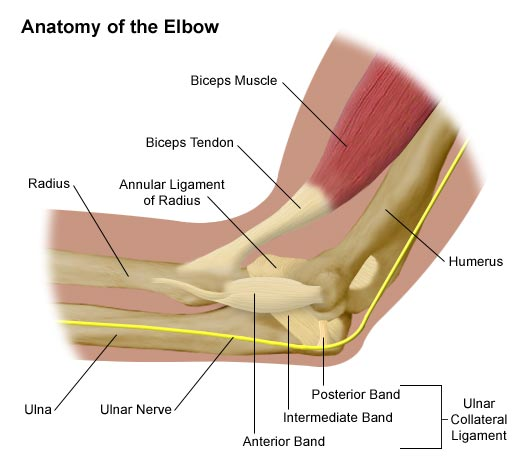
The elbow is a hinged joint connecting the upper arm to the forearm, relying on several structures for stability and movement. The joint connects:
- Humerus — upper arm bone
- Radius and Ulna — forearm bones
Stability
Maintained by the shape of the bones and collateral ligaments on each side.
Nerve Considerations
- The ulnar nerve runs behind the inner elbow (medial epicondyle).
- Bone spurs (osteophytes) can compress this nerve, causing numbness, tingling, or weakness in the ring and little fingers.
What Is Tennis Elbow?
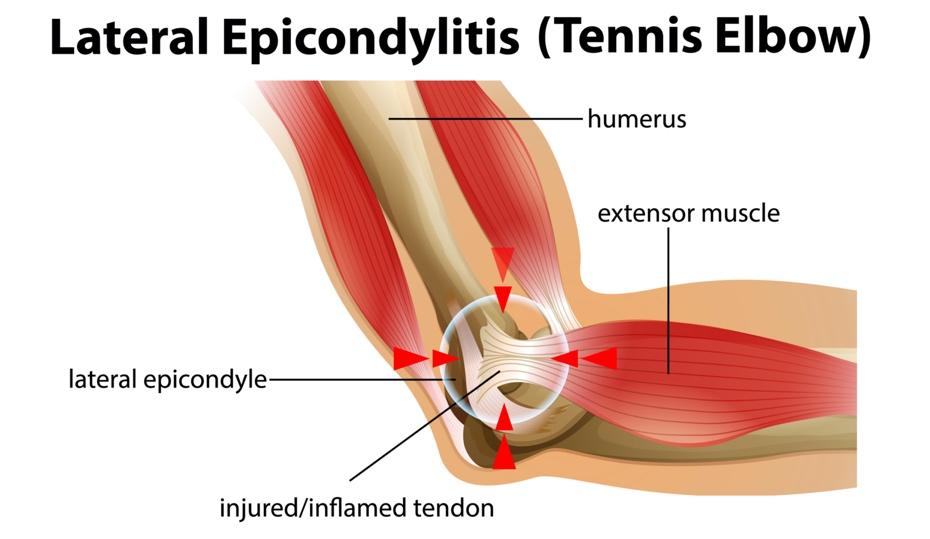
Tennis elbow is a condition that causes pain and tenderness around the outside of the elbow. It involves the extensor tendons — the tough tissues that connect your forearm muscles to the bone. Specifically, it affects the Extensor Carpi Radialis Brevis (ECRB), the muscle responsible for lifting your wrist and helping you grip.
Contrary to the name, most cases are not caused by tennis, but by everyday activities that involve repetitive gripping or twisting. In my opinion it should be called a 'Racquet Elbow'.
Common Problems & Presentation
Usually a "wear and tear" process rather than a sudden injury, as the tendon struggles to repair itself as fast as it is used:
- Pain Location: tenderness directly over the bony bump on the outside of your elbow.
- Radiation: pain often travels down the forearm toward the wrist.
- Night Pain: a deep, nagging ache that can disturb sleep.
- Mechanical Symptoms: difficulty fully straightening the elbow in the morning.
What Causes It?
- Overuse: repetitive strain from gardening, using a screwdriver, or typing.
- Imbalance: a breakdown in the body's ability to heal micro-tears in the tendon.
- Sport: racquet sports or throwing activities with improper technique.
Risk Factors
- Occupations: plumbers, painters, cooks, and office workers are at higher risk.
- Age: most common in adults between 30 and 50.
- Smoking: reduces blood supply to the tendon, slowing healing.
Symptoms
The hallmark of tennis elbow is pain triggered by specific movements. You may notice:
- Pain when lifting heavy objects (like a kettle).
- Weakness when gripping, making a fist, or shaking hands.
- Pain when straightening your wrist against resistance.
Diagnosis
Diagnosis is primarily based on clinical history and physical examination. Investigations (if required):
- X-Ray: to rule out arthritis or bone abnormalities.
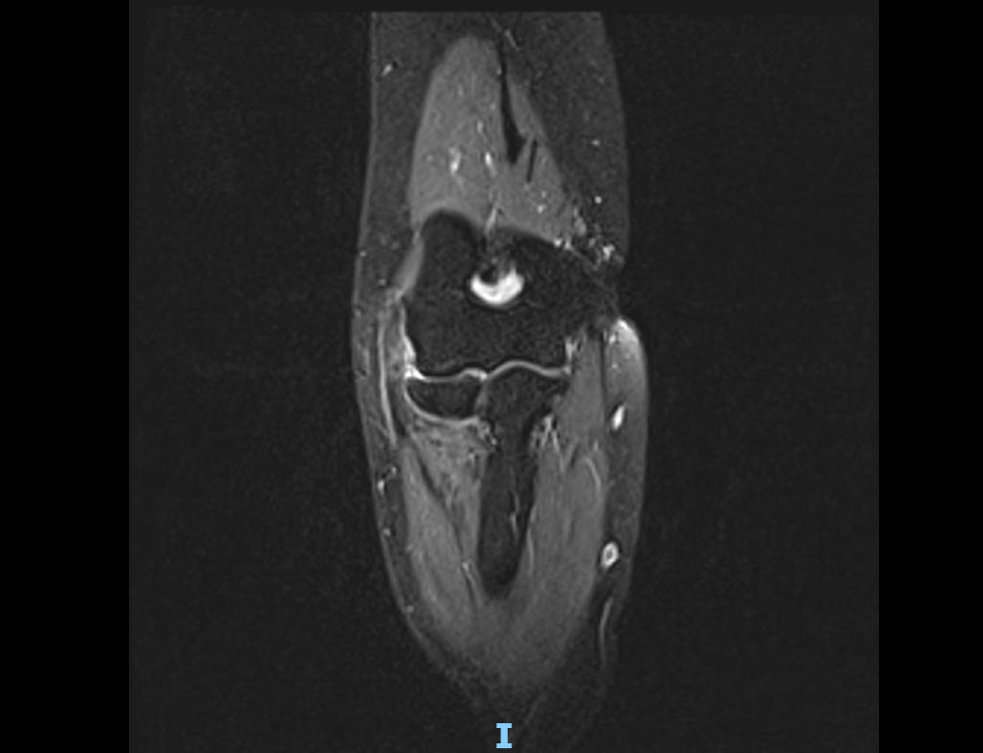
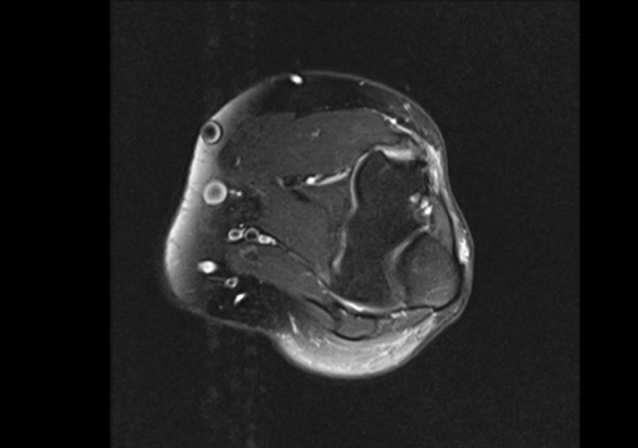
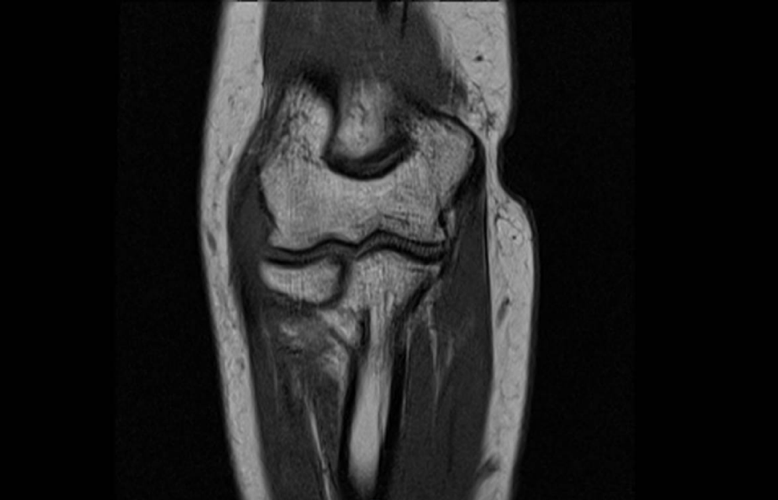
- MRI: evaluates soft tissue damage.
- Electromyography (EMG): checks for nerve entrapment.
Example imaging:
Conditions That Can Mimic Tennis Elbow
During your consultation, we perform specific tests to rule out other causes of arm pain, such as:
- Referred Pain from the Neck: a pinched nerve in your neck can send "shooting" pains down into your elbow.
- Nerve Entrapment: the Radial Nerve passes very close to the elbow; if compressed, it can feel exactly like tennis elbow.
- Joint Issues: wear and tear (arthritis) inside the elbow joint itself rather than the tendons.
- Radiating Pain: issues in the shoulder or carpal tunnel (wrist) can change the way you move, straining your elbow.
Treatment Options: A Shared Decision
I will discuss all available treatment options with you, explaining the benefits and risks of each. Your preferences, values, and lifestyle will be considered as we work together to create a treatment plan best suited to your needs — this shared decision-making process ensures you are fully informed and involved in your care.
Plan A — Non-Surgical
Many people improve with
- Activity Modification: identifying and adjusting the movements that trigger your pain.
- Physiotherapy: specialised "Eccentric" exercises to strengthen the tendon.
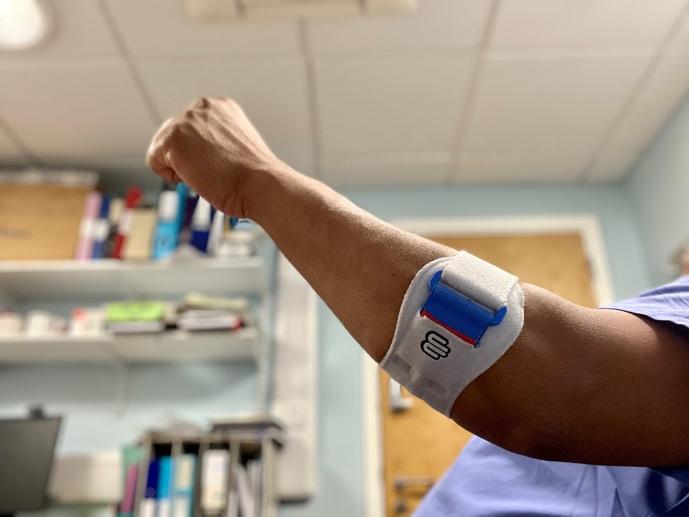
- Bracing: a forearm strap worn during the day to "offload" pressure on the elbow.
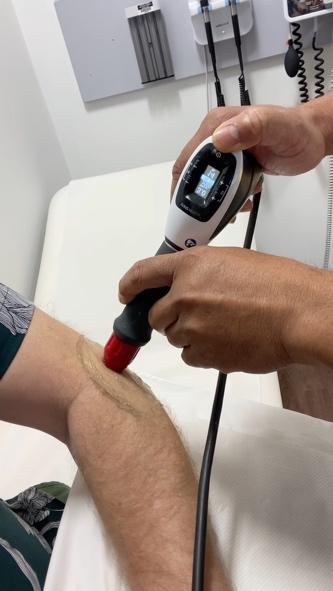
- Shockwave Therapy: using sound waves to stimulate the body's natural healing.
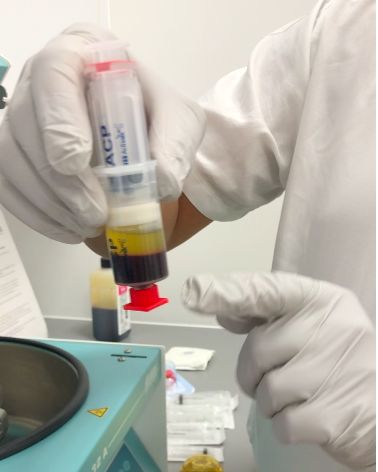
- PRP Injections: using your own blood products to promote repair.
Plan B — Surgical
Reserved for severe, resistant cases
- Open Surgery: a traditional approach to remove damaged tendon tissue.
- Arthroscopic Surgery: a "keyhole" technique to release and repair the tendon.
- When: considered after 6–12 months of Plan A without improvement.
PRP Focus
I have a particular interest in PRP (Platelet Rich Plasma) therapy. Having experienced the benefits of this treatment myself for tennis elbow, I can speak first-hand to how effective it can be when combined with the right rehab.
Post-Surgery: Most patients return home the same day. You will follow a structured rehab program to gradually restore your grip strength and range of motion.
Non-surgical treatment in practice:
Important Things to Remember
- Many people improve without surgery
- Surgery is optional
- Doing nothing is always an option
Questions You May Wish to Ask
- What treatments should I try first?
- How long should I try them for?
- What improvement can I expect?
- What happens if I choose not to have surgery?
Book or Enquire Directly at Each Site
| LIPS Healthcare London | 0203 870 9996 | singh.admin@lips.org.uk |
| Spire Alexandra Chatham | 01634 662866 | alexandraselfpaypsc@spirehealthcare.com |
| Practice Plus Gillingham | 01634 969045 | Private.gillingham@practiceplusgroup.com |